
60 | X
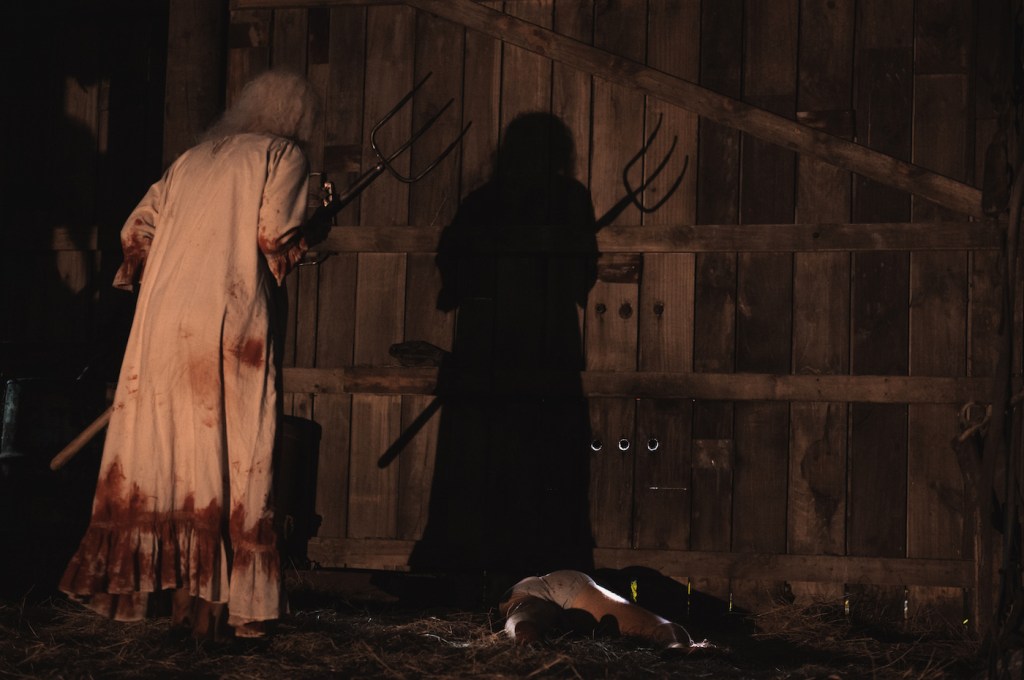
For those that consider elevated horror a scourge on the genre, a 70’s set Texan slasher saturated with sex and gore might be the cure. The succinctly titled X is the perfect blend of grindhouse spirit with arthouse style, but still holds some fascinating thematic preoccupations on sexuality and age. While the clear influences show through, the cast helps to separate it from the pack with Mia Goth pulling double duty as both aspiring star Max and the elderly Pearl (who makes another appearance this year), adding another level to the interplay between the groups. At the end of the day, it might not be the most meaningful horror film of 2022, but it does have gators. -N.A.
59 | White Noise
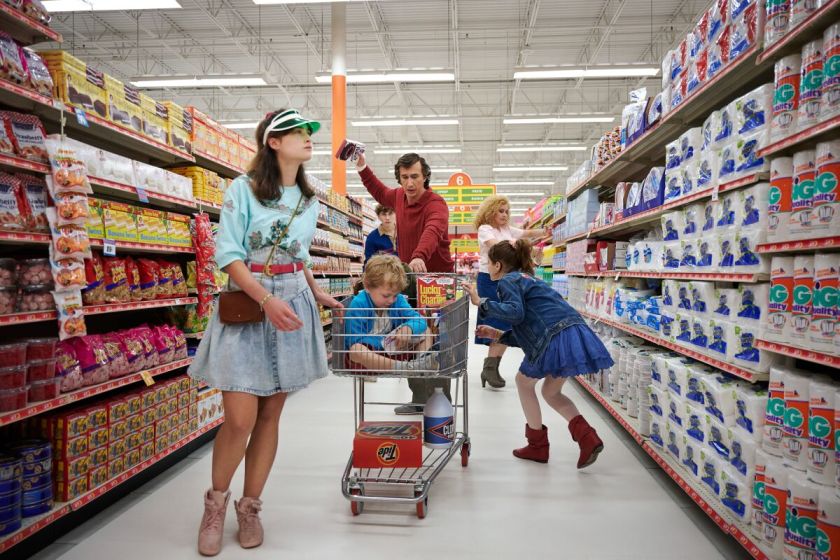
Coming from someone with very limited knowledge of the source text, as a film on its own it might not be the most solid adaptation to come out this year, but there’s enough enjoyable sections here to warrant some recognition on this list. With three distinct sections, there’s Spielbergian family dynamics, horrifying nightmares & panics, and picturesque grocery stores amid the academic talk and general chatter of our 80’s era family. Death looms large over Adam Driver’s Hitler Studies Professor and his better half Babette, as played by Greta Gerwig, who both struggle to finding the words while gagged under all the synthetic gum and colorful advertising. It’s hard to say if it all adds up by the end, but in keeping with the film’s message of “White Noise” subsuming all else, the film’s musical credits number is a jaunty delight to sway your opinion in its last moments. -N.A.
58 | The Eternal Daughter
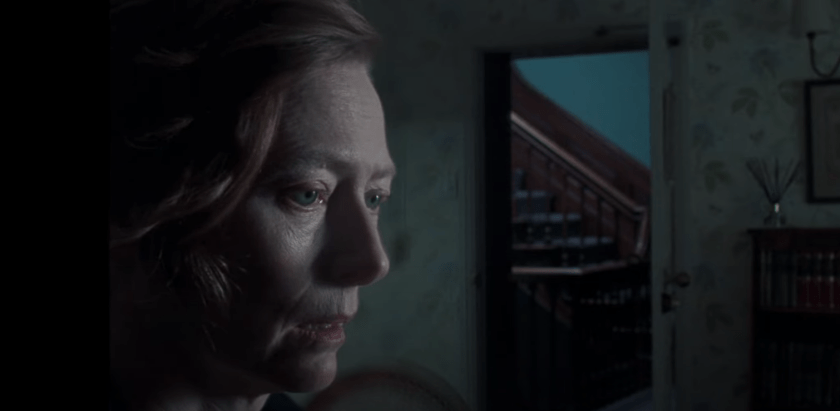
After the critical coup of The Souvenir Parts I and II, Joanna Hogg saw fit to send us a grace note from her delicate world of cinematic autofiction. A Covid construction, The Eternal Daughter’s production confines are well-suited to Hogg’s choice of material, almost as if she created a set of rules and designed a film around it. Tilda’s dual performance as mother and daughter is a work of studied modulation, its uncanny nature echoing the Gothic atmosphere that the film is ensconced in. A fitting coda to the world of Julie Hart . . . that is until Hogg comes up with the next variation. – J.S.
57 | Glass Onion
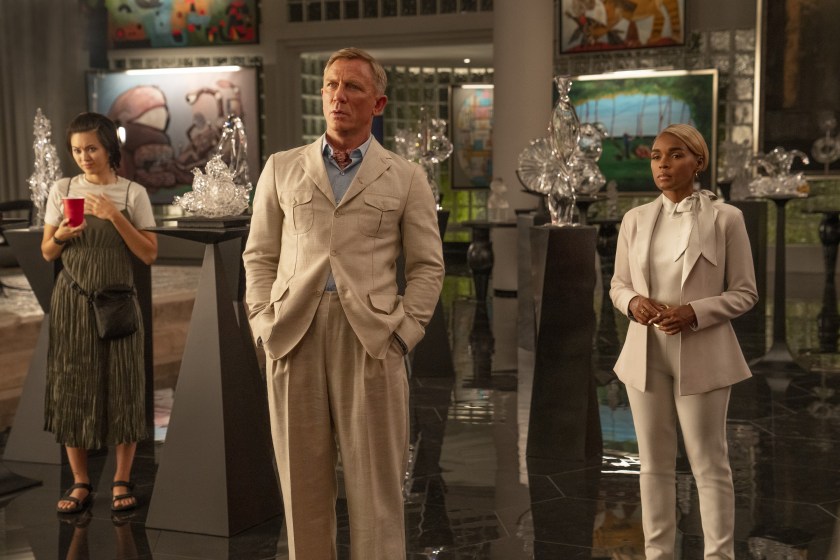
Rian Johnson’s return to the Benoit Blanciverse may not have quite the precision and purpose of his first outing, but it remains a lovely place to spend 2.5 hours – the soundtrack rips, Johnson’s script is laugh-worthy throughout, and Dave Bautista and Edward Norton have a glorious time chewing up the scenery as Joe Rogan and Elon Musk respectively. If you can’t appreciate Daniel Craig playing Among Us in a bathtub on Zoom with Angela Lansbury, Stephen Sondheim, and Natasha Lyonne, that’s your problem. – R.J.
56 | The Cathedral
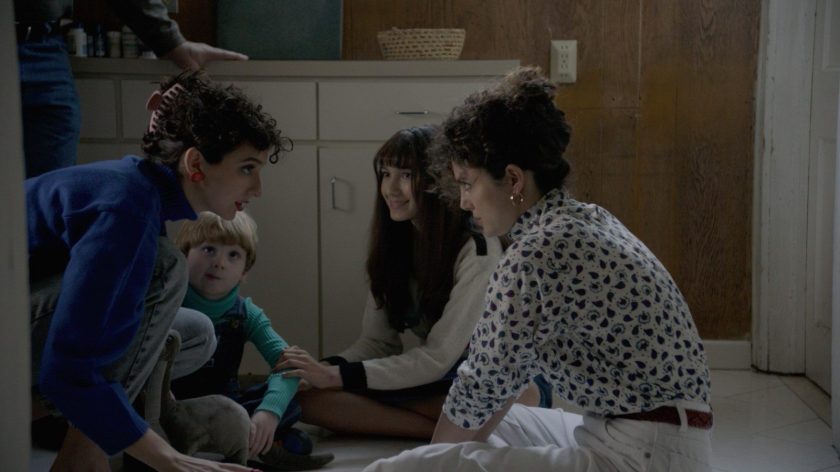
Ricky D’Ambrose’s structuralist retelling of his own family history blends skillfully-deployed stock footage with austere reenactments of the defining moments of his adolescence. D’Ambrose proves himself a steady hand behind the camera as he leads his large cast through a series of deeply personal remembrances. A small but deeply fascinating film that’s sat very well with me as the year’s gone by. – R.J.

55 | Smile
As the old saying goes, if it ain’t broke, don’t fix it, and Smile’s familiar premise of a horrific curse spread person to person still manages to chill. Fans of the genre may notice some striking similarities to The Ring, with characters being given the same seven days to live after seeing the first titular expression, but rest assured that the R-rated Smile goes for the nuclear option in its details, with a much more violent inciting incident and scares that get the pulse racing. While there’s the obvious schlocky joys to be found, the film is deceptively shocking in just how bleak its message of inescapable trauma that eats away until nothing but a hollow, dangerous smile remains. As expected, the film builds to a fever-pitch of psychological horror before finally choosing its lane in the divisive yet terrifying finale, one that posits that maybe the true monster was on the inside all along – N.A.
54 | Weird: The Al Yankovic Story
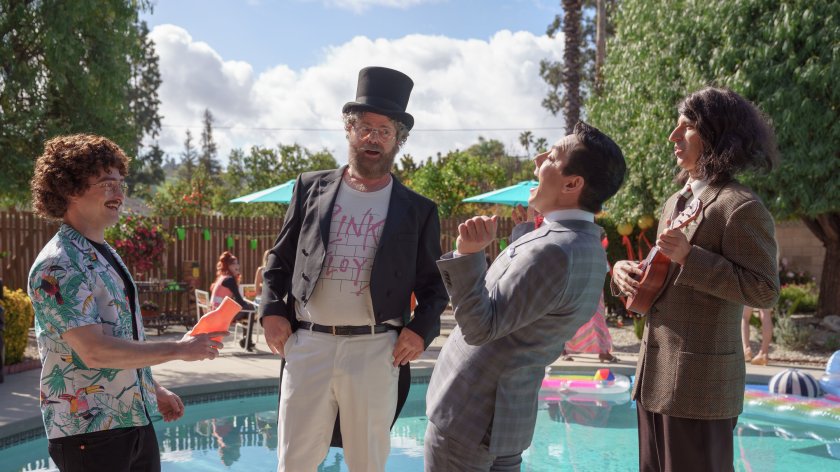
On just about anyone else, the adjective “weird” might be considered a slight or even a downright insult, but for Alfred “Weird Al” Yankovic, the musician, parody artist, and all-around comedic presence which this movie takes as its subject, it’s a badge of honor that both he and the film wear proudly. Working as a parody of other musician-centered biopics, Weird: The Al Yankovic Story has all the required elements, but with the madcap antics and humor the world has come to love from Yankovic (as well as recalling his hilarious film debut UHF). The film skewers the tendency of the genre to showcase other historical figures relevant to the subject’s story, with Weird packing a veritable smorgasbord of comedic talent and cameos from scene to scene as Daniel Radcliffe’s Al Yankovic finds out just how off-the-rails life can get as a budding parody artist with an accordion by his side. Your tolerance for the film’s unique brand of comedic one-upmanship will determine your mileage, but it’s a joy to see just how far a premise can be illogically taken. I’m sure Al would’ve loved it. – N.A.
53 | Till
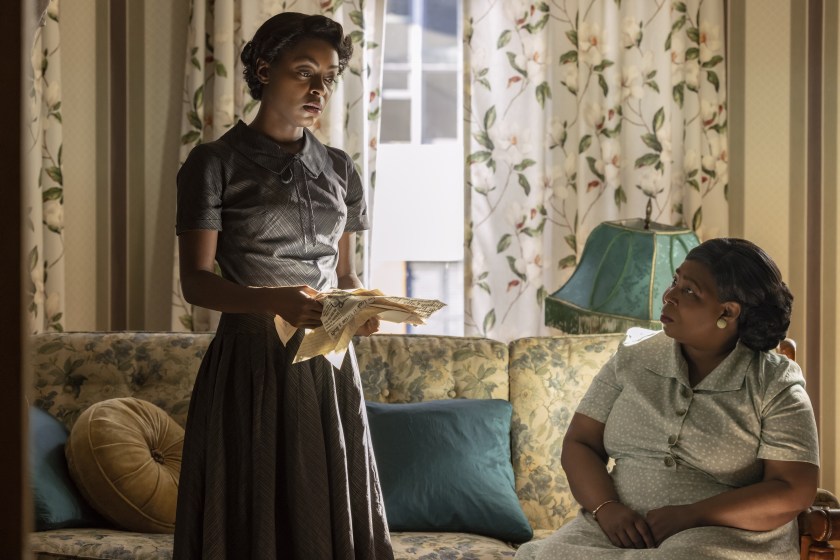
While a film about one of the most tragic crimes in the history of the U.S., let alone the Civil Rights movement, could have easily relied on an exploitative re-enactment to make its point, Till finds a better path forward. Featuring no depiction of violence towards any Black characters, the film instead chooses to focus on Emmett Till’s mother Mamie, and the heart-breaking grief she endures in the wake of her son’s lynching. Danielle Deadwyler has the monumental task of portraying a mother’s breakdown at a senselessly evil death and succeeds, with haunting cries that linger over the theater long after Till’s coffin is first shown. Mamie’s search for justice occupies the rest of the film, cementing the film as hers, as she fights for justice against a cruelly rigged system. In one of the strongest sequences of the film, Mamie takes the stand to testify against the men who lynched her son and the camera remains solely focused on her. No cuts to the jury, judge, or lawyers. Just a mother holding in her tears to find some semblance of justice for a crime too great to bear. – N.A.
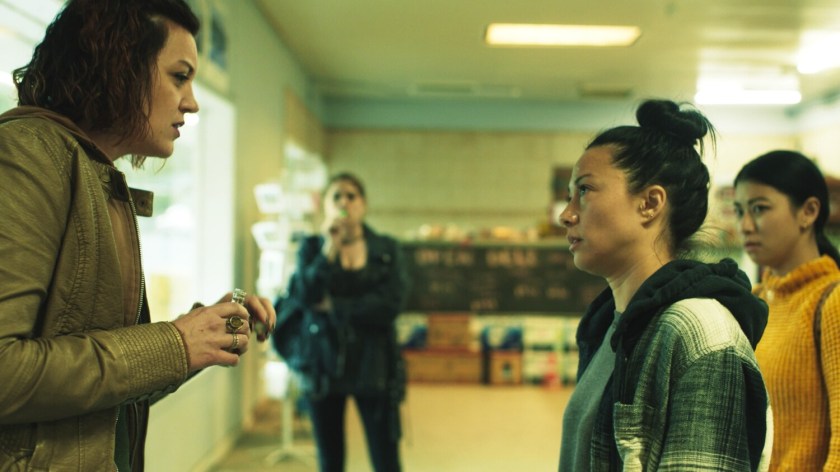
52 | Soft and Quiet
An incredibly impressive one-take horror film, Beth de Araujo takes the viewer on a winding, increasingly-disturbing trip to a suburban white nationalist hell that just keeps barreling towards its grisly conclusion. The script here is especially impressive; de Araujo’s characterizations are all unnervingly precise and unique slices of small town white womanhood, and despite some occasional (mostly effective!) lapses into extremity, it all feels quite grounded. If this debut is any indication, she’s got a hell of a voice. – R.J.
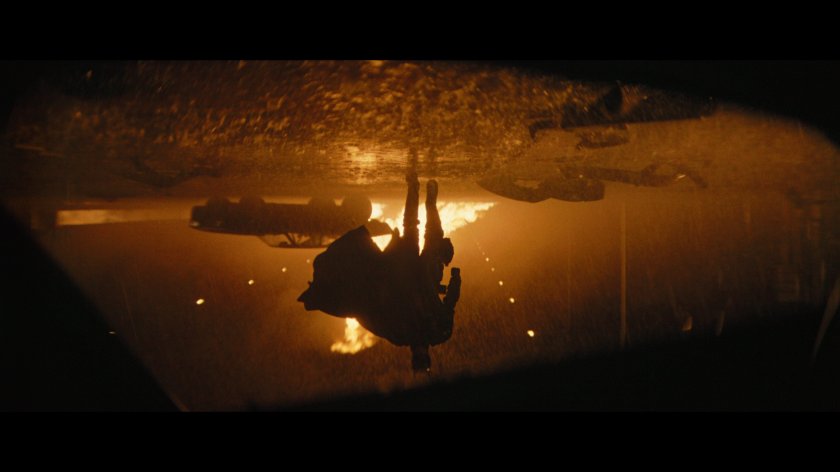
51 | The Batman
Batman and his many iterations have always served as a barometer for the American psyche, so a brooding, anti-social, Nirvana-fueled Dark Knight facing off against a Zodiac inspired terrorist Riddler is a tad worrying. On the bright side, The Batman takes more of its inspiration from the gritty detective thriller side of the caped crusader than any of its live-action predecessors, so we’re treated to a proper mystery throughout the near three-hour runtime. The streets of Gotham haven’t felt this distinct in years with a cast putting their own unique spin on the Batman’s rogues’ gallery with Paul Dano invoking the spirit of Jigsaw, Colin Farrell as a proper mobster Penguin, and Zoë Kravitz’s Catwoman playing the perfect opposite to Pattinson’s Bruce Wayne. There are certainly some missteps here, cramming as much as possible into a first film that could’ve used a little more conciseness in the amount of world building being done here, but the one thing that is done absolutely right is Michael Giacchino’s excellent score, an easy addition to the pantheon containing the 60’s TV theme, and Danny Elfman’s score for the 1989 Batman. – N.A.
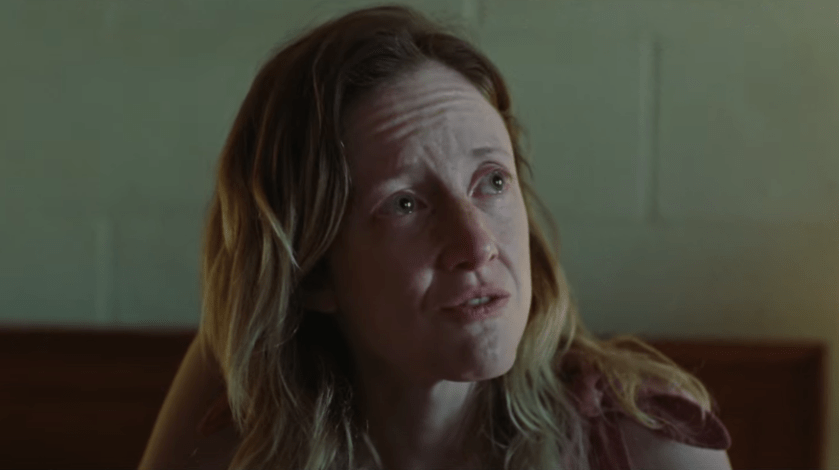
50 | To Leslie
Michael Morris’ feature debut features Andrea Riseborough’s best performance to date as a desperate, down-on-her-luck alcoholic who seems to have burnt up every remaining bridge until salvation arrives in the form of kindly widower Marc Maron. This country music-stuffed, Cassavetes-esque indie has “SXSW” written all over it, and that is indeed where it premiered, but it rises above its surface-level cliches to become a beautiful, quiet tale of redemption, filled with the kinds of small details that could only come from personal experience (and indeed, screenwriter Ryan Binaco claims the film is an accurate retelling of his own mother’s life). An often-brutal but in the end deeply affecting little film. – R.J.
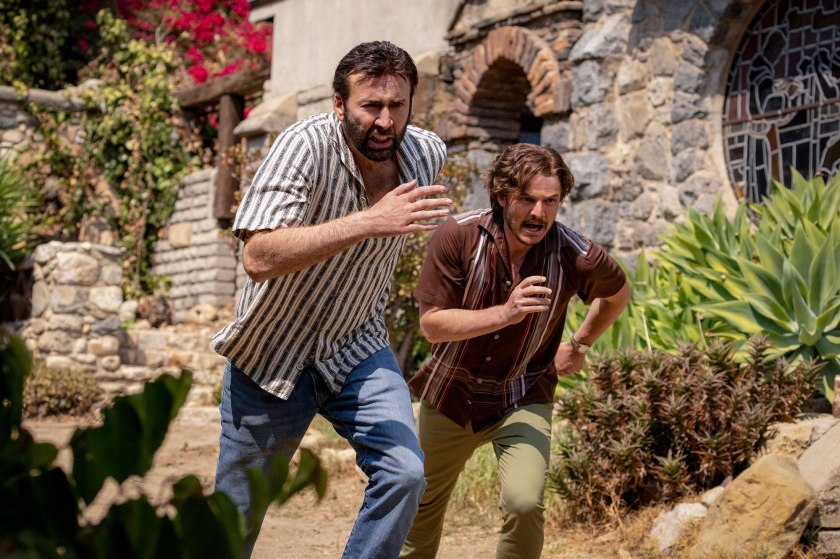
49 | The Unbearable Weight of Massive Talent
Nicolas Cage has become a genre unto himself. Having dispelled the laughable notion of his acting inability with 2021’s gentle thriller Pig, Cage set his sights on creating something of a retrospective skeleton key on his public perception and film persona. Ragin’ Cageuns will enjoy the Cageisms, endless film references (which amusingly extend all the way out to such essential titles as Captain Corelli’s Mandolin), and his gonzo dual performance as the “real” Nicolas Cage and his mental alter ego “Nicky Cage,” but the true strength of the film is in the relationship between star and fan as focalized by a startlingly funny Pedro Pascal. By the midpoint of the film, a purported dissection of star persona morphs into one of the finest buddy comedies this side of Lethal Weapon 2. – J.S.

48 | The Novelist’s Film
Of all the attempts at autofiction from established auteurs this year, Hong Sang-soo’s The Novelist’s Film easily ranks as the most beguiling, elegantly shifting from its lightly humorous, straightforwardly talky beginnings to a head-spinning, fourth wall-breaking finale in which Hong audibly declares his love for longtime muse Kim Min-hee. It’s a deeply touching and thoroughly recontextualizing capper to one of his tightest and most well-shot films of recent years. – R.J.
47 | Is That Black Enough For You?
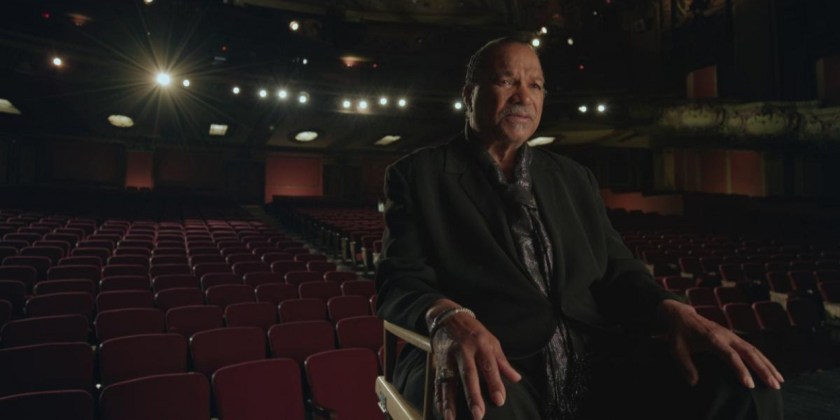
Film critic turned documentary filmmaker Elvis Mithcell explores a decade of Black American cinema in the highly entertaining film Is That Black Enough For You?!? In the film, Mitchell lays at an argument against the stereotype of “Blaxploitation” films and highlights over 100 Black films from 1968 to 1978. Featuring interviews with Charles Burnett, Laurence Fishburne, Whoopi Goldberg, Samuel L. Jackson, Billy Dee Williams, and other figures of the entertainment industry; Mitchell raises a strong case for the success of the films of this era as well as the impact they had on Black culture. The overwhelming amount of archival clips and interviews create a thorough and entertaining exploration into one of cinema’s most interesting periods. A final note, Mitchell’s closing segment about the late great Sidney Poitier serves as a moving tribute and brilliant observation on one of cinema’s most famous figures of all time. Exceptional film, let’s hope Mitchell continues making films in the future. – C.W.
46 | Please Baby Please
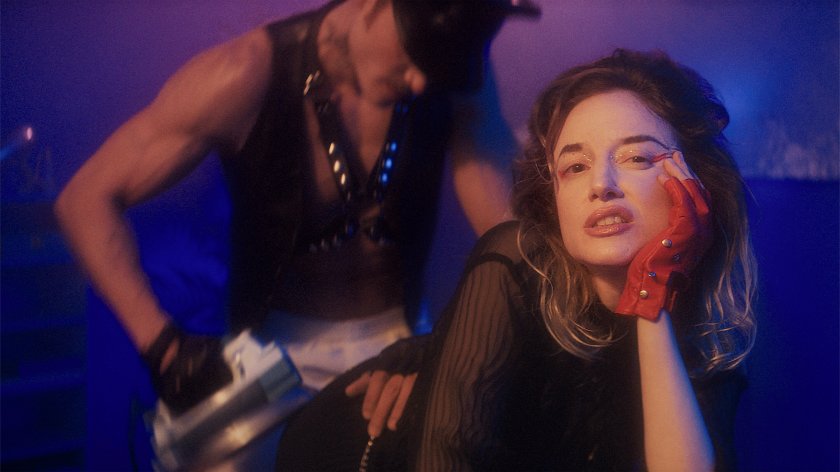
As Derek Jarman’s Edward II did for Shakespearean drama, Please Baby Please does for 60s biker fluff. Not that that genre didn’t reek with homoeroticism before, but director Amanda Kramer foregrounds and recontextualizes it to the nth degree. The film is replete with go-for-broke performances worthy of the finest Fassbinders: Andrea Riseborough with a performance so instantly iconic it almost begs for the Rocky Horror treatment, Harry Melling absolutely oozing with sexual repression, Karl Glusman as an irresistible object of desire, and Demi Moore who does enough by being Demi Moore. Rivaling Miranda July’s talent for making the prosaic extraordinary, Amanda Kramer announces herself as a major talent. – J.S.
45 | The Whale
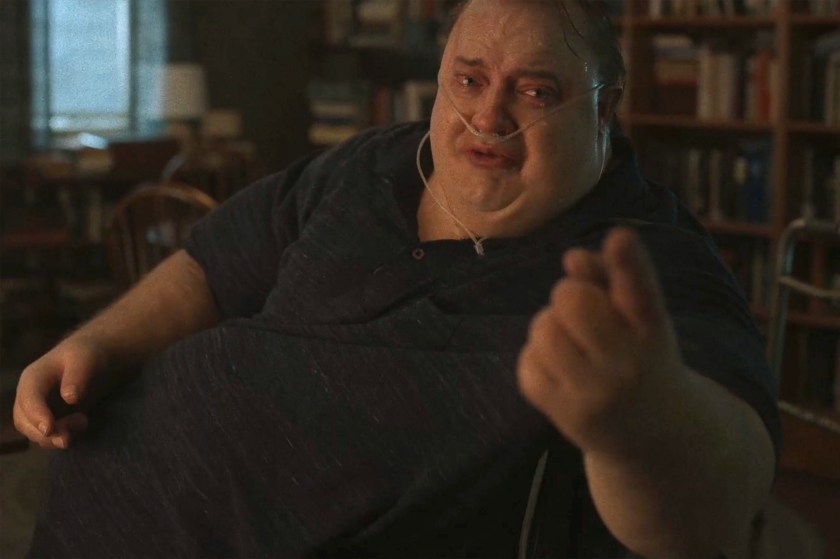
Aronofsky’s overwrought direction and cruel script are as bombastic and obvious in their themes as ever, but The Whale still soars thanks to a legitimately gripping melodrama at the script’s core and, of course, Brendan Fraser’s deeply empathetic, lived-in performance, which I have no qualms saying ranks among the greatest of all time. What a joy it is for his long-hyped comeback to be as revelatory and emotionally wrenching as this performance is. – R.J.
44 | We’re All Going to the World’s Fair
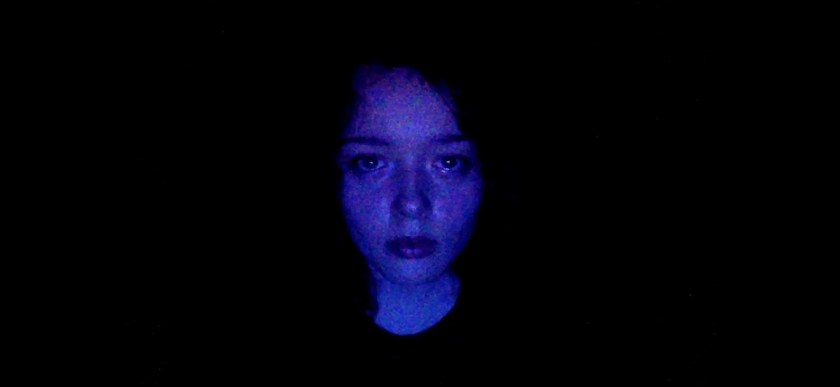
Jane Schoenbrun’s fabulous no-budget debut paints a very convincingly detailed and authentic portrait of a side of the internet that hasn’t really been explored yet onscreen. What starts out as a seemingly obvious (though evocative and well-shot!) horror film with little more to say than “Internet Bad” gradually blossoms into a thought-provoking film that’s equal parts troubling and genuinely affecting. Couple Schoenbrun’s deft handling of internet culture with an outstanding performance by newcomer Anna Cobb (equally delightful in Bones and All), and you have one of the freshest Sundance breakouts in some time. – R.J.
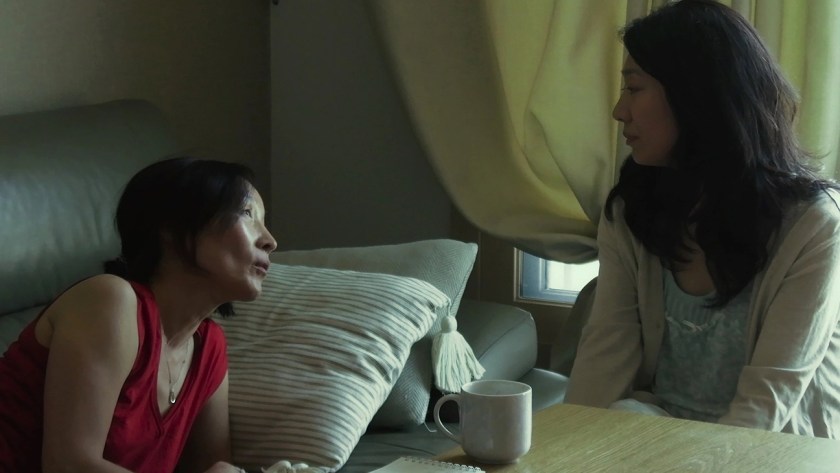
43 | In Front of Your Face
Hong Sang-soo films behave much like a blade of grass. They bend to the vagaries of the wind but remain deeply rooted in the ground. The films are by definition, lightweight, observational, and almost deceivingly underplotted. But, it is in their gentleness and seemingly casual construction that they reveal some of the deepest truths of the human condition. There is no bombastic show of verbal brilliance or turgid melodramatics in In Front of Your Face but there is a great deal of feeling. Take what could only be witheringly referred to as a climax: a quiet revelation over drinks that devastatingly reconfigures the world entire. Something of a magic trick right in front of your face. – J.S.
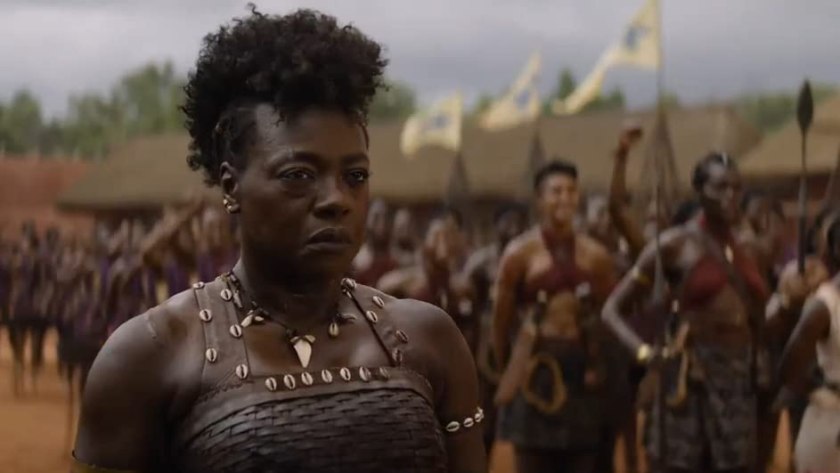
42 | The Woman King
If the worthlessness of the blockbuster box office was repudiated by Avatar: The Way of Water and Top Gun: Maverick, it was surely reinforced by the criminally meager returns for the excellent The Woman King. The quality of the movie is certainly not the culprit. The film alternates deftly between moving melodrama and superbly designed action scenes. Viola Davis, who at this point has absolutely nothing to prove, still proves it all night as the titular woman king, but it is the performances of supporting cast members, Thuso Mbedu and Lashana Lynch, that ultimately prove to be the film’s secret weapon. The film’s foregrounding of black female warriors may ultimately be more important as a historical corrective to film history if not actual history (the amount of spindly creeps that came out of the woodwork claiming to be experts in African history boggles the mind), but this is an epic well-worth patronizing. – J.S.

41 | Bardo
Netflix has a penchant for giving big-name auteurs what seems to be a blank check to make their masterpiece for the biggest name in streaming, and it seems that with BARDO: False Chronicle of a Handful of Truth, Alejandro González Iñárritu’s turn has come, and he truly swung for the fences. It’s hard to think of another modern “exploration of oneself” film quite as indulgent as this one, a wildly surreal and nonlinear journey through parts of the life of reporter-turned-filmmaker Silverio, played by Daniel Giménez-Cacho, as he grapples with his identity, dealing with issues of fatherhood, nationality, and his own life’s work, just to start. As a viewer, we’re on the same journey as Silverio, left to pick up the pieces of a fractured life, amidst all the noise and distractions of a world coming unglued, which viewers are asked to wade through for 160 minutes. The determined are treated to a cavalcade of some of the best looking images of 2022 and some genuinely touching moments as Silverio, and by extension Iñárritu, find solutions to the mess, all the way to the ending scenes that provide the answers we’ve all been looking for. – N.A.
 Scrawls on Cinema Blog